
How Do You Choose Pure Honey Online for Daily Home Use?
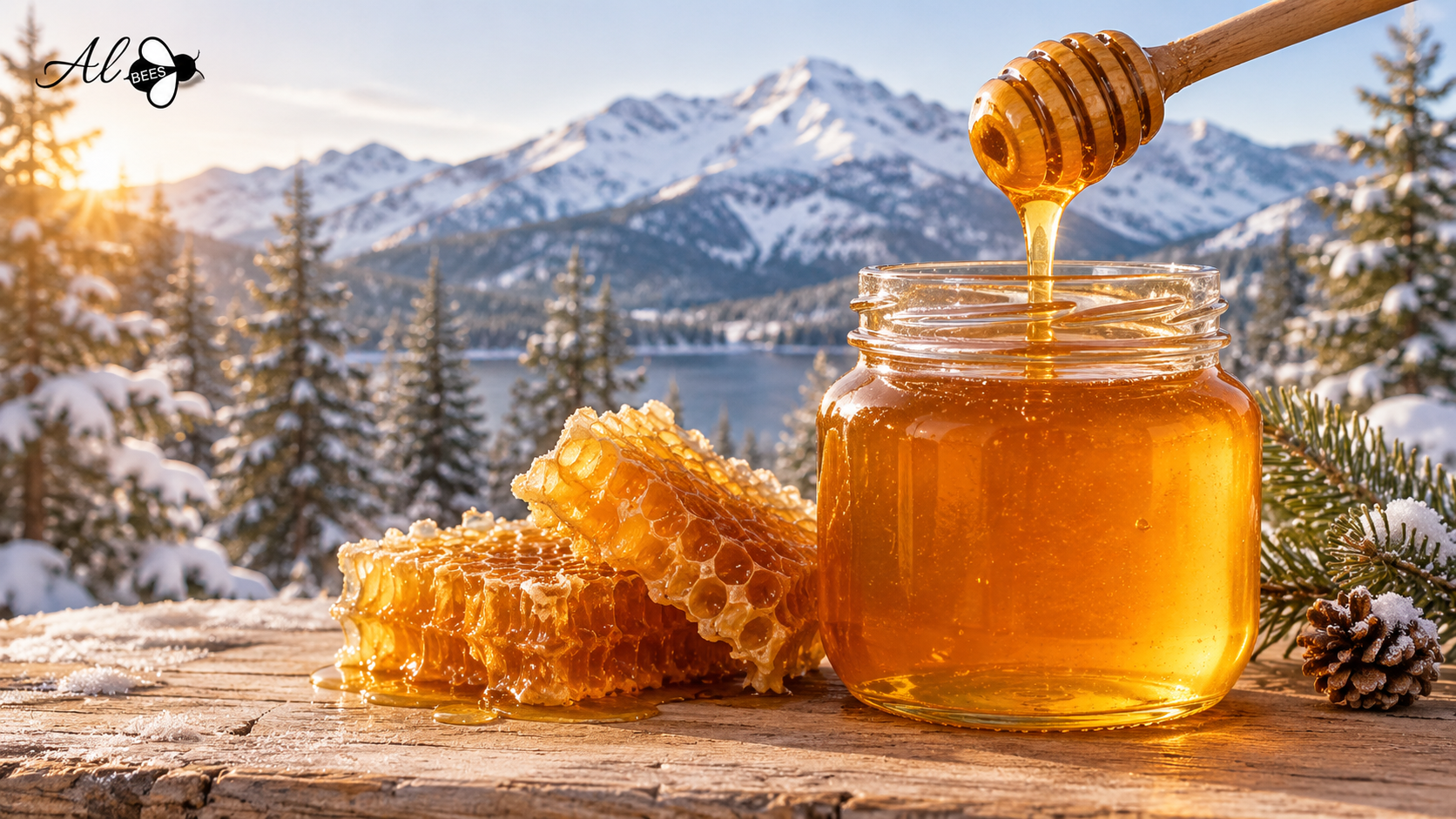
Summary: Choosing the right raw honey means understanding its source, processing, packaging, and quantity. This guide explains why unheated, unfiltered honey retains more natural enzymes and antioxidants, why regional Sierra Nevada honey matters, and how to select suitable glass jars or plastic bottles. It also introduces Al Bee's honey options for everyday household use.
The Right Honey Starts With the Right Choice!
You reach for honey to sweeten your morning tea, drizzle over toast, or add to a homemade dressing. But which jar should you choose? When you buy honey online, packaging, quantity, and processing matter.
How Do You Choose Pure Honey Online for Daily Home Use?
Choose honey based on three things: its source, processing method, and quantity. Look for raw, unheated honey from a known producer. Then select a jar or bottle that suits your kitchen habits.
A small jar works well if you are trying local honey for the first time. A half-pound bottle suits occasional use. Families who use honey every day may prefer one-pound or larger containers.
But there is another detail worth checking. Is the honey truly raw, or has it been heated and heavily filtered? That difference affects the natural compounds your honey retains.
Why Does Unheated, Unfiltered Honey Deserve Your Attention?
Honey comes from flower nectar. Bees collect it, transform it, and store it inside honeycomb. Natural enzymes help this process. The finished honey also contains small amounts of amino acids, pollen, minerals, and plant compounds.
Raw honey receives little processing after harvest. It is not pasteurized through commercial heat treatment. Minimal handling helps retain more of its naturally occurring enzymes and antioxidants.
Heat can reduce the activity of certain natural enzymes. Heavy filtration can also remove pollen and fine particles. These changes may affect the honey's natural composition.
Unfiltered honey may look cloudy or contain tiny particles. That is not always a sign of poor quality. It can reflect the natural material retained during careful extraction.
Antioxidants, including polyphenols, help protect cells against oxidative stress. Raw honey contains varying amounts of these compounds. Their levels depend on floral sources, location, and harvest conditions.
This does not make honey a medicine. It remains a natural sweetener. Its value lies in enjoying a less processed food with its natural character intact.
Why Does Local Sierra Nevada Honey Matter?
Where your honey comes from matters just as much as how it is handled. Local honey connects your kitchen to the plants, seasons, and landscapes surrounding your community.
Al Bee's keeps its hives on pesticide-free properties along the drainages of the Sierra Nevada mountains. Different locations expose bees to different flowering plants. This gives regional honey its own character.
For Nevada residents, buying local, also supports nearby agriculture and beekeeping. You can learn more about the source instead of relying on vague labels. That connection makes informed shopping easier.
Additionally, when you buy pure honey online from local areas, the raw honey also contains trace pollen from its surrounding environment. Some people choose it for seasonal allergy support. However, research has not established local honey as an effective allergy treatment.
Pollen in honey varies, and it may not match the pollen causing your symptoms. Never replace prescribed allergy care with honey. Treat local honey as food, not allergy medicine.
Which Honey Jar or Bottle Should You Choose?
The best container is the one that fits your daily routine. Al Bee's online store offers several sizes in glass jars and plastic bottles.
Here is a simple way to choose.
Small jars: 3 to 4 ounces
Start small if you are new to raw honey. Al Bee's offers a 3-ounce hexagon glass jar and a 4-ounce round glass jar. These sizes also make thoughtful gifts.
Half-pound containers: 8 ounces
A half-pound container is a practical middle ground. Choose the 0.5 lb glass jar for a traditional kitchen feel. Prefer easy handling? The matching plastic honey bottle offers a convenient option.
One-pound containers: 16 ounces
A one-pound container suits regular household use. Choose glass if you prefer a sturdy pantry jar. Pick the plastic bottle if you want easy pouring over pancakes, oatmeal, and toast.
Larger jars: 1.5 to 3 pounds
Does your family use honey every morning? Larger jars can reduce repeat purchases. Al Bee's offers 1.5 lb, 2 lb, and 3 lb glass options. Two-pound plastic bottles are also available.
Think about your usage before choosing. A large jar is useful only when you can store and use it comfortably. Honey lasts well when kept sealed and protected from moisture.
Glass Jars or Plastic Honey Bottles: Which Is Better?
Both options can work well. Your choice depends on convenience, storage, and personal preference.
Glass honey jars offer a traditional look. They work nicely for pantry storage and serving at the table. They are also useful when you prefer to avoid plastic food containers.
Plastic honey bottles are lightweight and easy to squeeze. Their shape makes pouring simple, especially when children want a little honey for their breakfast. They also reduce the risk of breakage during everyday handling.
Neither package automatically makes honey purer. The source and processing method matter more. Choose the container that makes regular use simple for your household.
How Much Honey Should You Buy for Daily Use?
Start by thinking about how often you reach for honey. One teaspoon in tea each morning uses far less than daily baking or family breakfasts.
For occasional use, a small jar or half-pound bottle makes sense. For one or two regular users, a one-pound container is a sensible starting point. Larger households can consider two or three pounds.
Here is a useful tip: keep a small serving jar near your breakfast area. Store the main container separately with its lid tightly closed. This reduces repeated handling and keeps moisture away.
Honey may crystallize over time. This is a natural process, not proof of spoilage or added sugar. Place the closed jar in warm water to soften it gently. Avoid direct high heat.
How Can You Spot Authentic Raw Honey?
Do not judge honey by colour alone. Raw honey can range from light gold to deep amber. Its shade depends on the flowers visited by bees.
Read the product description carefully. Look for clear details about origin, processing, and ingredients. Ask the producer whether the honey is heated, filtered, or blended with other sweeteners.
Crystallization is also normal. Pure honey can become thick or grainy as natural sugars form crystals. It does not automatically mean the product has gone bad.
When you buy honey online, choose a producer who explains where the bees forage and how the honey reaches your jar. Clear information builds trust.
Easy Ways to Enjoy Raw Honey Every Day
Raw honey fits naturally into many meals. Stir a teaspoon into warm tea or drizzle it over plain yogurt. You can also spread it over toast or mix it into homemade salad dressing.
For a quick breakfast, add honey to oatmeal with nuts and fruit. For cooking, use it in marinades and sauces. Its sweetness pairs well with lemon, mustard, and mild spices.
Active people may use honey as a quick source of carbohydrates before exercise. It can add energy to a homemade drink. However, honey alone does not provide enough electrolytes to replace fluids and minerals lost through heavy sweating.
Remember that honey is still a form of added sugar. Enjoy sensible portions as part of a balanced diet. Never give honey to a child under twelve months because of infant botulism risk.
Choose Your Honey With Confidence
The right honey combines a trusted source, gentle processing, and a practical container. Choose a size that fits your kitchen, then enjoy its natural sweetness every day.
Ready to bring Sierra Nevada honey home? At Al Bees Sierra Nevada Honey LLC, we offer 100% Raw, Unfiltered Sierra Nevada Mountain Honey sourced exclusively from pesticide-free hives along local mountain drainages. Our honey is free from heat processing, additives, and foreign sugar blending. Shop our online store or contact us at snhbees@gmail.com or (775) 686-0323. For Reno-area purchasing, contact us about storefront availability. Follow our Facebook page and Instagram for updates.
Frequently Asked Questions
1. Is raw honey better than regular honey?
Raw honey receives less processing and retains more naturally occurring enzymes and plant compounds. Its composition varies with floral source and handling.
2. Does local Nevada honey help with seasonal allergies?
Some people use local honey for this reason. However, scientific evidence does not prove it prevents or treats seasonal allergies.
3. Should I buy honey in glass jars or plastic bottles?
Choose glass for traditional storage and plastic for easy squeezing. Both can hold quality honey when properly sealed and stored.
4. How long does raw honey last after opening?
Properly stored honey can last for years. Keep it sealed in a cool, dry place and always use a clean, dry spoon.
5. Why does pure honey become grainy?
Honey naturally crystallizes as glucose forms tiny crystals. This is normal and does not mean the honey is spoiled or fake.